Choosing Wrist Braces: Key Features to Consider
Discover Effective Wrist Braces for Optimal Wrist Pain Alleviation and Support
Wrist discomfort is an usual problem that influences several individuals, originating from various reasons such as recurring strain or injuries. Discovering the best wrist brace can make a significant difference in managing this pain. Different types offer differing degrees of support, dealing with details demands and problems. Recognizing the functions that enhance comfort and security is crucial. Wrist Braces. What choices exist for those seeking alleviation? The expedition starts here
Recognizing Wrist Pain: Causes and Signs
Wrist discomfort can emerge from different resources, understanding its causes and signs is important for reliable management. Frequently, wrist pain can be credited to recurring stress injuries, joint inflammation, fractures, or tendonitis. Recurring motions, such as inputting or playing sports, may bring about swelling and pain. Arthritis, particularly osteo arthritis and rheumatoid arthritis, can lead to chronic discomfort and tightness in the wrist joint. Cracks frequently happen because of drops or crashes, causing severe and instant pain, swelling, and minimal mobility. Tendonitis, inflammation of the ligaments around the wrist, can show up as pain during movement and tenderness upon touch. Symptoms accompanying wrist discomfort may include swelling, heat, and minimized series of movement. Identifying these symptoms and their prospective underlying causes permits individuals to seek timely clinical treatment and explore suitable therapy choices for relief and recovery.
The Relevance of Appropriate Wrist Support
Correct wrist support plays an important function in protecting against additional injury and assisting in healing. By maintaining the wrist, dental braces can reduce strain on impacted areas, permitting for recovery. This support is important for individuals managing chronic pain or recuperating from an injury.
Protecting against Further Injury
Wrist support plays an important role in stopping further injury for individuals experiencing discomfort or strain. Correct wrist supports maintain the joint, limiting extreme movement that can worsen existing problems such as tendonitis or carpal tunnel syndrome. By providing targeted support, these braces assist to disperse pressure uniformly across the wrist, minimizing the threat of annoying nerves and ligaments. In addition, they urge correct positioning during activities, which is crucial for maintaining wrist health and wellness. Individuals participating in repeated motions, such as keying or sporting activities, particularly benefit from wearing encouraging braces. Generally, incorporating wrist support into everyday routines can considerably reduce the possibilities of more injury, permitting people to preserve their activities while prioritizing their wrist health.
Enhancing Healing Process
Effective wrist support is important for boosting the recovery process following an injury or pressure. Proper wrist braces give security and immobilization, permitting the affected area to heal without unneeded activity. They help in reducing discomfort and inflammation, making it possible for individuals to take part in rehabilitation exercises sooner and extra effectively. Furthermore, ample support lessens the threat of re-injury during recovery, fostering a more efficient recovery atmosphere. The ideal wrist brace can also urge appropriate alignment and position, which are important for optimal recuperation. As cells fixing, putting on a suitable brace warranties that activities continue to be within a safe variety, assisting in gradual fortifying and adaptability. Overall, buying reliable wrist support considerably adds to a successful recovery journey.
Kinds of Wrist Braces: Which One Is Right for You?
When selecting a wrist brace, people have to consider their certain support degree demands and the activities they participate in. Various braces use varying degrees of stability and flexibility, tailored for special usages. Understanding these aspects can assist in picking one of the most ideal alternative for efficient pain relief.
Support Degree Needs
Selecting the ideal wrist brace entails comprehending the varying levels of support they supply, which can significantly influence discomfort alleviation and recovery. Wrist braces generally fall right into three classifications: light, moderate, and maximum support. Moderate support dental braces, frequently made from breathable or elastic products, use adaptability and are ideal for small stress or post-injury recovery. Moderate support alternatives provide added security, frequently integrating splints, making them excellent for more considerable injuries or problems like tendonitis. Maximum support dental braces are inflexible and immobilizing, made for extreme injuries, fractures, or post-surgical recovery. Patients need to assess their details needs and get in touch with health care specialists to ensure they select a brace that straightens with their support requirements for finest results.
Activity-Specific Options
Selecting the appropriate wrist brace extends beyond just support levels; it also entails considering the details about his tasks that might aggravate wrist discomfort or call for protection. For those participated in sporting activities, light-weight braces with adaptable materials supply support without restricting motion, perfect for athletes. Office workers, on the other hand, might gain from ergonomic dental braces made to reduce pressure from repeated activities. For people with chronic conditions, even more inflexible options give stability throughout daily jobs. In addition, braces designed for night use can help immobilize the wrist, advertising recovery while sleeping. Recognizing the demands of various tasks allows people to pick a wrist brace tailored to their way of life, making certain optimum comfort and defense.
Functions to Look for in a Wrist Brace
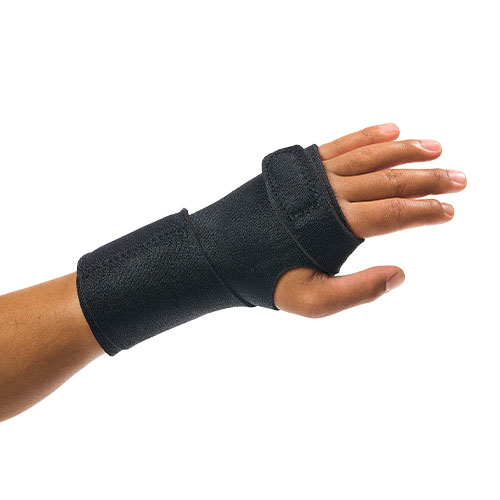
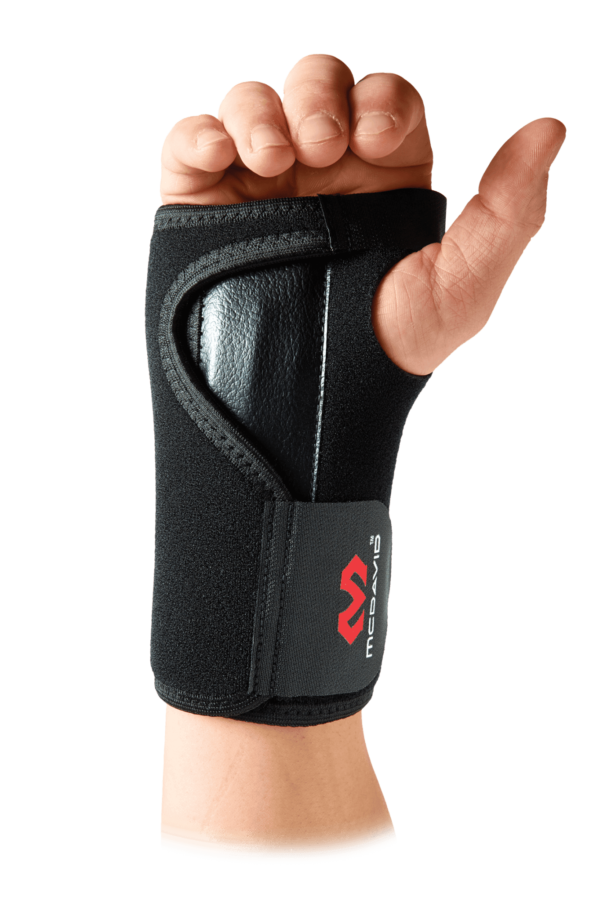
Many wrist braces are available on the market, not all offer the exact same level of support and comfort. When selecting a wrist brace, several essential functions should be taken into consideration to guarantee excellent discomfort relief. First, the material is important; breathable textiles boost comfort during extended usage. Additionally, adjustable bands give a customizable fit, enabling differing levels of compression and support. A support with a rigid or semi-rigid splint can stabilize the wrist successfully, specifically for those recouping from injury. Thinking about the brace's size and layout is essential, as it should suit the user's certain needs without restricting activity excessively. Very easy maintenance and washable materials add to the total long life and hygiene of the brace. By focusing on these attributes, people can pick a wrist brace that not just alleviates discomfort but likewise promotes recovery and performance.
Leading Suggested Wrist Braces for Discomfort Relief
When it pertains to finding efficient wrist Continued braces for discomfort relief, several choices stand apart in the market today. The Mueller Eco-friendly Fitted Wrist Brace is very concerned for its flexible layout and eco-friendly materials, supplying both support and comfort. Another preferred choice is the Futuro Night Wrist Sleep Support, designed especially for nighttime use, giving immobilization to minimize discomfort throughout remainder. The Copper Compression Wrist Sleeve is lauded for its lightweight fit and the mixture of copper, which may enhance recovery and decrease swelling. For those needing more stiff support, the BraceUP Wrist Support flaunts a dual-splint style, making sure stability throughout everyday tasks. Lastly, the Vive Wrist Brace offers adaptability with its removable splint, dealing with both support and adaptability. Each of these wrist supports has actually garnered favorable testimonials, making them top suggestions for individuals seeking reliable pain alleviation.
Just How to Correctly Use a Wrist Brace
Exactly how can one guarantee the appropriate fit and feature of a wrist brace? First, it is crucial to select the right dimension, as a support that is also tight or as well loosened can prevent its effectiveness. Determining the circumference of the wrist and describing the supplier's sizing graph can help in this procedure.
Next off, when placing on the brace, one need to verify that the wrist is located properly, straightening it with the brace's support framework. The brace need to cover the wrist without restricting blood circulation; consequently, the straps ought to be snug yet not excessively limited.
In addition, the brace should allow for small movement while supplying appropriate support. Finally, it is very important to follow the manufacturer's guidelines for adjustments and usage period to improve convenience and performance. Correctly using a wrist brace can significantly add to suitable wrist pain relief and support.
Tips for Managing Wrist Discomfort Together With Brace Usage
While wearing a wrist brace can substantially reduce pain, including added approaches can improve total wrist wellness. Exercising routine stretching and strengthening workouts can improve versatility and support the wrist's recuperation. Gentle motions, such as wrist circles or finger bends, may minimize stiffness and promote blood circulation
Furthermore, applying ice or warm might supply short-term alleviation from swelling or pain. Ice bag can be made use of for sharp pain, while warmth can soothe persistent issues.
Maintaining proper comfort designs in daily activities is necessary (Wrist Pain Relief). Readjusting workstations to advertise a neutral wrist setting can protect against more strain
Ultimately, permitting for ample rest is essential; overuse can exacerbate pain, despite a brace. Stabilizing rest with task, in addition to these methods, can lead to boosted wrist feature and decreased pain with time.
Frequently Asked Concerns
Can Wrist Braces Be Used During Sports Activities?
Wrist dental braces can undoubtedly be made use of during sporting activities activities. They provide support and security, aiding to reduce and stop injuries pain. Athletes usually wear them to boost efficiency while shielding their wrists from stress or influence.
How much time Should I Use a Wrist Brace Daily?
A wrist brace need to generally be worn for several hours day-to-day or as suggested by a healthcare expert. Continuous use might provide superior support, but it's important to balance with durations of wheelchair for perfect recovery.
Exist Any Adverse Effects of Using Wrist Braces?
Wearing wrist braces can bring about visit the site prospective adverse effects such as skin inflammation, reduced blood circulation, muscle weak point, or dependency on the brace. Correct use and breaks are important to mitigate these problems and promote healthy wrist feature.
Can I Copulate a Wrist Brace On?
Yes, one can copulate a wrist brace on. Several locate it advantageous for support and pain alleviation throughout the evening, although convenience degrees may differ. It's recommended to consult a healthcare expert for customized advice.
How Do I Clean and Keep My Wrist Brace?
To preserve a wrist and cleanse brace, hand wash it in mild soap and cozy water, then air completely dry totally far from straight warm. Routine assessment for wear and tear guarantees continued support and performance.
Selecting the right wrist brace involves comprehending the varying degrees of support they give, which can substantially impact discomfort relief and recuperation. Selecting the suitable wrist brace prolongs past just support levels; it likewise includes taking into consideration the specific tasks that might intensify wrist discomfort or require protection. Next, when placing on the brace, one must validate that the wrist is located correctly, straightening it with the brace's support structure. While putting on a wrist brace can substantially reduce discomfort, including additional techniques can boost general wrist health and wellness. Putting on wrist braces can lead to potential side effects such as skin inflammation, decreased blood circulation, muscle mass weakness, or dependence on the brace.